

Where we work

CIPS HPA in Kenya

CIPS HPA has worked in Kenya since 2018, starting with support for the Kenya Medical Supplies Authority (KEMSA), a state corporation under the Kenyan Ministry of Health that is mandated to procure, warehouse and distribute health products and technologies (HPTs) for prescribed public health programs, the national strategic stock reserves, prescribed essential health packages and national referral hospitals.

Support was then expanded to include Kenyan counties that procure some of their HPTs from KEMSA, MEDS and directly from other suppliers. The CIPS HPA programme was initiated in Murang’a and Laikipia counties in 2021 and in late 2022 expanded to include Kakamega, Isiolo, Nakuru and Trans Nzoia counties.

Jump to section

Methodology

CIPS HPA’s work follows the proven CIPS Procurement Excellence methodology

Our methodology comprises of  4 steps.
1.
Diagnostic to assess the health procurement agency’s level of performance within the CIPS Procurement Excellence framework
2.
Improvement plan to address gaps and improve overall performance
3.
Technical assistance in addressing performance gaps
4.
Skills development for procurement staff
John Wahome10 vertical
Diagnostics

The diagnostic uses a 5-point maturity scale. KEMSA and the counties assessed were all operating between ad hoc and tactical levels against the standard

The key areas for improvement identified for KEMSA and for the counties included:

Development and application of a category /sourcing strategy for healthcare products and technologies
Contract management
Supplier relationship management
Risk management and continuous improvement
John Wahome10 3-2

CIPS HPA technical assistance has therefore focused primarily – though not exclusively – on these areas.

For example, CIPS HPA created procurement frameworks for pre-approving suppliers, reducing the time it takes to procure essential supplies and ensuring more consistent pricing.

CIPS HPA has also supported county health procurement teams in developing a quantification strategy, aimed at improved forecasting of key commodities that the county purchases on behalf of health facilities. Forecasting is critical in order to ensure the healthcare budget covers requirements (which in most cases it does not) and to ensure availability and reduce waste through product expiry.

technical assistance

CIPS HPA has additionally provided technical assistance to Kenyan public healthcare organisations in projects including:

First ever quantification of maternal and newborn health (MNH) products, working with Kenya’s Division of Reproductive and Maternal Health within the Ministry of Health to provide forecasts for these products for 3 years. There was previously no dedicated focus on this interlinked category of products and forecasts were often inaccurate.
Development of a performance indicator dashboard to support county health procurement organisations in monitoring stock availability, order fill rate, wastages, on-time delivery, in-full delivery, quality, and prices variations and to set targets for these key indicators. Tracking price variations allows procurement organisations to negotiate better prices with suppliers.
Support for Kenya’s Public Procurement Regulatory Authority to review health-sector tender documents with the aim of improving effectiveness and efficiency in procurement of health products and technologies by KEMSA and at county level.
Support for the six counties in developing supplier payment plans to enable faster payment of suppliers, which is critical to ensure reliability of supply.
Support for the Ministry of Health in establishing a framework for the development of local manufacturers: CIPS HPA helped assess the capacity of local manufacturers, contributed to the identification and categorisation of maternal and child health products, and developed a concept note to outline a potential policy and legal framework for working with local manufacturers.
Organisation of a learning exchange forum, bringing together stakeholders from the Ministry of Health, the 6 supported counties, and KEMSA. Attendees collectively identified areas for improvement and agreed to continue to share information on key topics, for example contract.
Impact

What CIPS HPA has achieved in Kenya

kenya-impact-critical-med

Increase in medicines availability

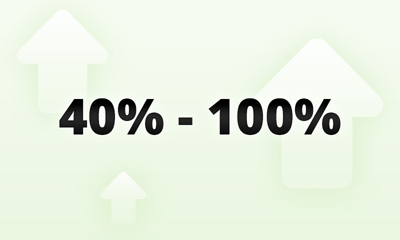
Increase in availability of critical medicines between 40% and 100% across different Kenyan counties
kenya-affordable-critical-med

Reduction in prices of critical medicines

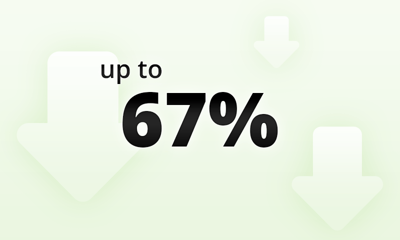
Price improvements of between 30% and 50% in in one Kenyan county  and up to 67% nationally in Kenya for Oxytocin, a critical medicine for treating post-partum haemorrhage
kenya-budget-absorption

Increase in budget absorption

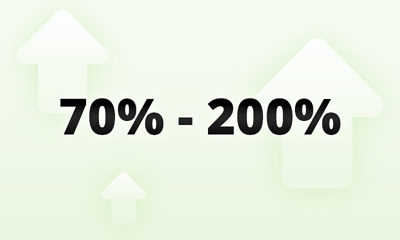
Budget absorption (use of the allocated budget within the budgetary window after which remaining budget is returned to Treasury) increased by between 70% and 200% across different Kenyan counties.
kenya-impact-turnaround-time

Reduction in procurement turnaround time

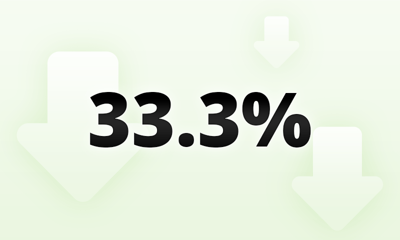
Reduction in turnaround time (the time between a requisition and the completion of a contract with a supplier) of 33.3% from an average of 180 to 120 days, improving the ability to use the budget in the budget window as well as the reliability of critical medicines being in stock.
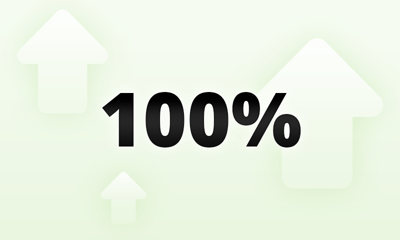
kenya-Improved-procurement-effectiveness

Improvement in procurement effectiveness

An average of 100% improvement in organisational effectiveness over 2 years in 6 counties as measured by independent reviewers
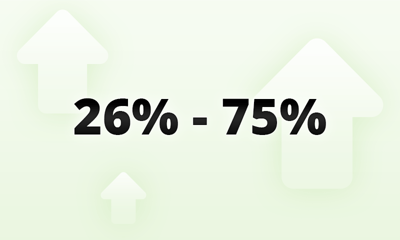
kenya-impact-budget-allocation

Budget allocation

Advocacy for increased budget allocation led to increases in the budget for healthcare products and technologies of 26-75% across four Kenyan counties.
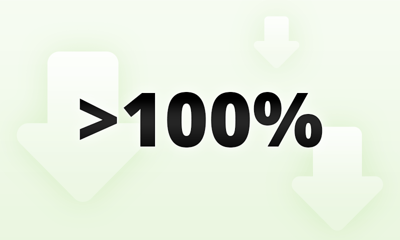
kenya-impact-contract-turnaround-time

Debt reduction

Reduction in debt to KEMSA  by one country from KES 66 million to KES 0

kenya-impact-working-capital-management

Improved working capital management

Support for KEMSA to improve working capital management by holding lower stocks and replenishing more frequently (4 times per year vs. once), enabling outgoings to be better match with incoming revenue.

trending_up
40% increase in availability of critical maternal health products
trending_up
Price reductions of up to 67% for critical medicines: For example, pricing analysis together with improved tendering practices resulted in estimated annual savings of more than USD450K on just four MNCH products
currency_exchange
Improved budget absorption rate (the ability to utilise the available budget within the budget window, which is an issue in healthcare procurement as budget that is not used is returned to Treasury) in one county
fast_forward
Reduction in turnaround time (the time between a requisition and the completion of a contract with a supplier) of 33.3% from an average of 180 to 120 days, improving the ability to use the budget in the budget window as well as the reliability of critical medicines being in stock.
checklist_rtl
50-75% improvement in overall procurement effectiveness (this is calculated independently, repeating the CIPS Diagnostic to measure procurement maturity across 23 related procurement capabilities following CIPS HPA intervention)
speed
An audit carried out by USAID on KEMSA’s supply chain following CIPS HPA engagement gave KEMSA’s vendor management a score of 83% and procurement procedures a score of 93.5%, reflecting the impact of the support provided
payments

Advocacy for increased budget allocation led to increases in the budget for healthcare products and technologies of 26-75% across four Kenyan counties.

Additionally, CIPS HPA provided technical expertise for a 3-year quantification & forecasting activity that led to the review of HPT budget allocation from $1,059M to $1,548M for 25/26 financial year. (convert to dollars). The 44% budget increment translates to an estimated 6% improvement in product availability

history
Reduced turnaround time for the contracting process from 2 months to 1-2 weeks at KEMSA
warehouse

Support for KEMSA to improve working capital management by holding lower stocks and replenishing more frequently (4 times per year vs. once), enabling outgoings to be better match with incoming revenue.

This in turn enables faster payment of suppliers due to better capitalisation. KEMSA has targeted an improvement in speed of supplier payments of three times. KEMSA estimates these changes will result in stock availability of 85%

Contact us

Talk to CIPS HPA

Please use the form to contact us if you are interested in supporting CIPS HPA activities