

Our Impact and ROI

CIPS HPA Programme Impact

Pauline Murigi04-banner

Jump to section

Performance

CIPS HPA key performance indicators

We track increases in the availability and affordability of critical medicines in our programme countries to measure our impact.

our impact - performance 1

Increases in budget absorption

This is the percentage of allocated budget that the public healthcare organisation is able to use within the annual budget window. Unused budget is then returned to Treasury. Better budget aborption means more money is spent on critical medicines, contributing to increased availability. More effective procurement means more efficient use of budget and an increase in budget absorption.

Increase in budget allocation to healthcare products and technologies

The percentage of the overall budget of a given sub-national entity (e.g. a Kenyan country or a Nigerian State) that goes to health varies. Also, the percentage of that health budget that is allocated to purchasing essential medicines varies. Often the budgetted amount for essential medicines does not match the forecast demand.

This de facto results in inadequate availability of essential medicines. CIPS HPA helps by increasing budget absorption (see above) and also in quantification - the process of accurately forecasting demand. Both these activities provide an evidence base for sub-national health procurement agencies to advocate for budget increases.
 

Increase in procurement effectiveness

At the start of a CIPS HPA programme, independent procurement experts conduct the CIPS Procurement Excellence diagnostic which rates organisational procurement maturity. The CIPS Procurement Excellence scale goes from 1-8. Level 4 is considered effective, while level 6 and above is recommended for strategic initiatives such as pooled procurement.

Improvements in financial management

In additional to tracking increases in budget absorption, we also track other measures of improved financial management, such as a reduction of debt, or a decrease in time to pay suppliers.

Reduction in product wastage

Which is mostly due to drug expiry if medicines are over-ordered.

our impact - performance 2
Impact

CIPS HPA’s work has had a measurable impact

Victoria04-vertical

Availability of critical medicines

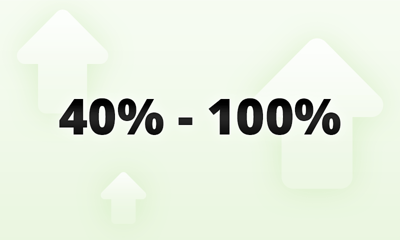
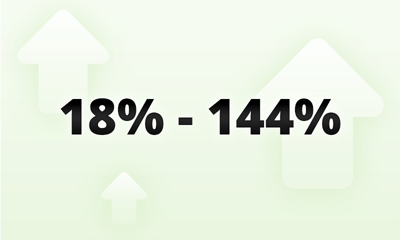
Increase in availability of critical medicines between 40% and 100% across different Kenyan counties . Increase in availability of critical medicines between 18% and 144% in Nigeria.

Affordability of critical medicines

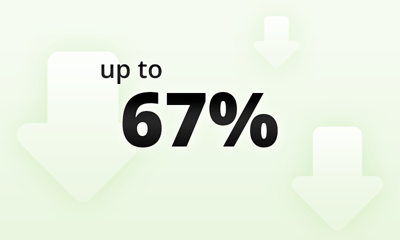
Price reductions: Price improvements of between 30% and 50% in in one Kenyan county and up to 67% nationally in Kenya for Oxytocin, a critical medicine for treating post-partum haemorrhage. In Nigeria, price reductions of 40% in one state.

Reduction in price variance to indexed International prices by 27% in one Nigerian State.

Cost savings

In Kenya, pricing analysis together with improved tendering practices resulted in savings on a basket of critical products of more than USD222K in nine months.

Budget absorption

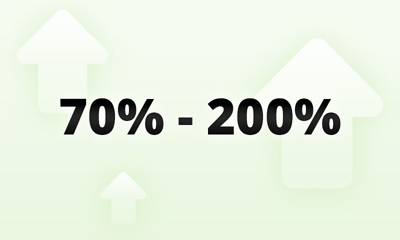
Budget absorption (use of the allocated budget within the budgetary window after which remaining budget is returned to Treasury) increased by between 70% and 200% across different Kenyan counties.

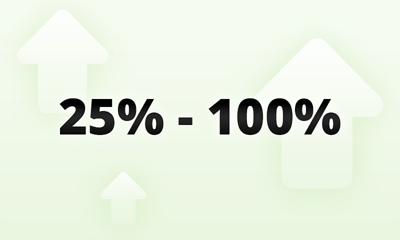
Budget allocation

Increases in allocation of budget to healthcare products and technologies of 25% – 100% across different Kenyan counties and of 87% for maternal and newborn health products in one Nigerian State.

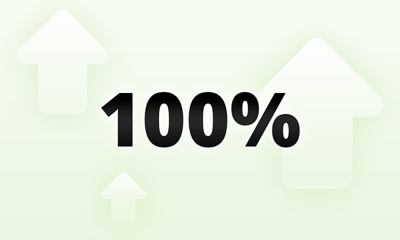
Increase in procurement effectiveness

An average of 100% improvement in organisational effectiveness over 2 years as measured by independent reviewers. For example, the time to process an order (from requisition to contract with the supplier) was reduced by 33.3% at at KEMSA, the national procurement agency for public health programmes.

DSC04695 vertical
Dr. Gatacha Godfrey04-square-flipped

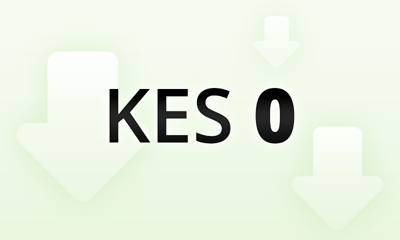
Improvements in financial management

Reduction in debt to KEMSA, the national procurement agency for public health programmes in Kenya, in one county from KES 66 million to KES 0.

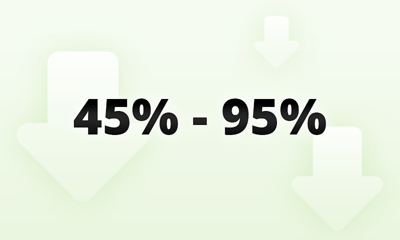
Reduction in wastage

Between 45% and 95% reduction in product wastage (due to products expiring due to over-ordering) in two Nigerian States.

Impact

CIPS HPA’s work has had a measurable impact

impact-critical-med-kenya

Medicines availability in Kenya
Increase in availability of critical medicines between 40% and 100% across different Kenyan counties. 
impact-critical-med-nigeria

Medicines availability in Nigeria

Increase in availability of critical medicines between  18% and 144% in Nigeria.
affordable-critical-med

Affordability of critical medicines

Price reductions: Price improvements of between 30% and 50% in in one Kenyan county and up to 67% nationally in Kenya for Oxytocin, a critical medicine for treating post-partum haemorrhage. In Nigeria, price reductions of 40% in one state.

Reduction in price variance to indexed International prices by 27% in one Nigerian State.

cost-savings

Cost savings

In Kenya, pricing analysis together with improved tendering practices resulted in savings on a basket of critical products of more than USD222K in nine months.
budget absorption

Budget absorption

Budget absorption (use of the allocated budget within the budgetary window after which remaining budget is returned to Treasury) increased by between 70% and 200% across different Kenyan counties.
budget-allocation

Budget allocation

Increases in allocation of budget to healthcare products and technologies of 25% – 100% across different Kenyan counties and of 87% for maternal and newborn health products in one Nigerian State.
increase-in-procurement-effectiveness

Increase in procurement effectiveness
An average of 100% improvement in organisational effectiveness over 2 years as measured by independent reviewers. For example, the time to process an order (from requisition to contract with the supplier) was reduced by 33.3% at at KEMSA, the national procurement agency for public health programmes.
financial-management

Improvements in financial management

Reduction in debt to KEMSA, the national procurement agency for public health programmes in Kenya, in one county from KES 66 million to KES 0.
reduction-in-wastage

Reduction in wastage

Between 45% and 95% reduction in product wastage (due to products expiring due to over-ordering) in two Nigerian States.
Contact us

Talk to CIPS HPA

Please use the form to contact us if you are interested in supporting CIPS HPA activities